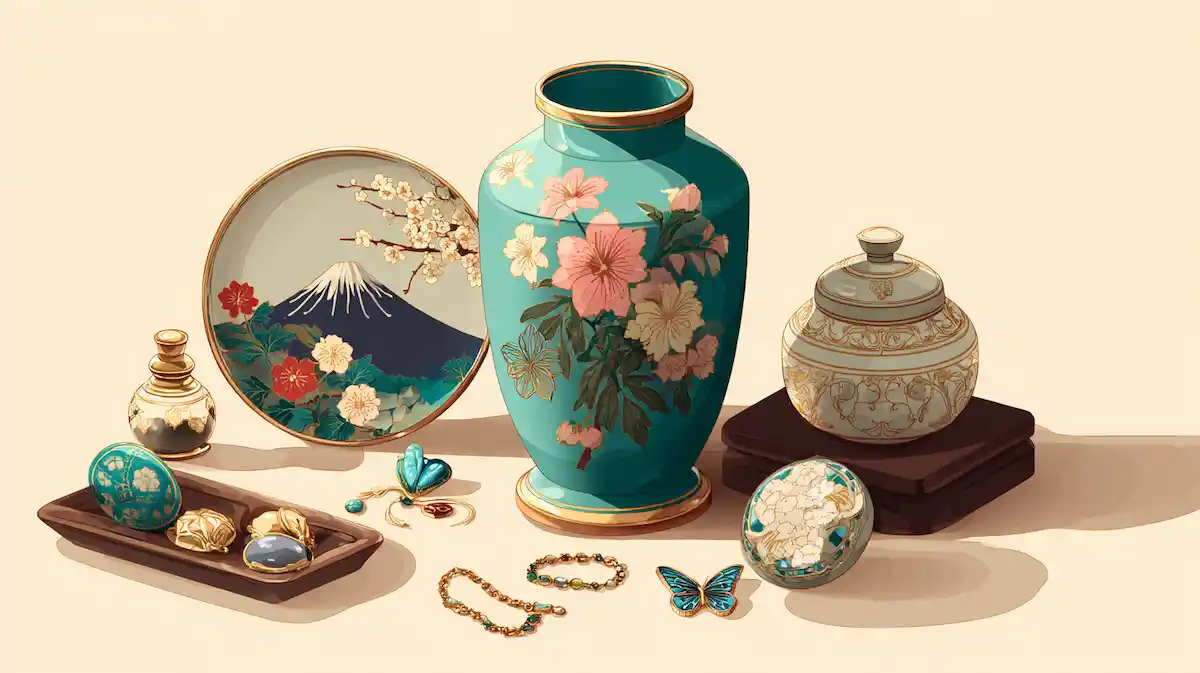
七宝焼を英語で説明・紹介するための基本情報と、英会話に役立つ表現をシンプルでわかりやすい英語で紹介します。
英会話ダイアローグ・概要・10の質問を通して、七宝焼に関する英語表現を学びます。
英語
英会話ダイアローグを読む前に知っておくと良い前提知識と情報です。
- 七宝焼きの基本
金属の表面にガラス質の釉薬を焼き付けて装飾する伝統工芸
焼成と研磨を何度も繰り返すため、一つの作品完成には高度な技術と時間を要する
陶器のように土で作る焼き物ではなく、金属とガラスを組み合わせる - 「宝石のような色」の理由
七宝焼の色が鮮やかで光沢があるのは、ガラスの釉薬が高温で溶けるため
表面は滑らかで、宝石のように輝いて見える - 歴史的背景
技法は奈良時代に日本へ伝わったが、江戸時代後期から明治時代に大きく発展
特に明治時代には、万国博覧会で紹介され、海外で高く評価された - 現代での楽しみ方
伝統的な花瓶や飾り皿だけでなく、イヤリングやブローチなどのアクセサリーも人気
体験工房では初心者でも七宝焼き制作を楽しめるプログラムが提供されている
2人が七宝焼について、話しています。
七宝焼の特徴や歴史、金属とガラスを使った製法、繊細な「有線七宝」の技法、現代での人気や体験工房などを話題にしています。
会話 / dialogue

Lately, I’ve been really interested in shippo-yaki. I saw some beautiful pieces in a small gallery in Tokyo.

Oh, shippo-yaki? That’s Japanese cloisonné, right? What caught your attention?
The colors were amazing. They looked almost like jewels, not like pottery at all.
That makes sense. Shippo-yaki is made with metal and glass, not clay, so it has a very different feel.
I didn’t know that at first. I was surprised when I learned it’s usually made on copper.
Yes, artisans put glass enamel on metal and fire it at a very high temperature.
So that’s why the surface looks so smooth and shiny.
Exactly. The glass melts during firing and creates that glossy finish.
Do you know where shippo-yaki comes from originally?
The technique came to Japan in the Nara period, but it really developed later, especially in the Meiji period.
Wasn’t that when Japan started exporting crafts to the West?
Yes. Shippo-yaki was shown at world exhibitions and became very popular overseas.
I can understand why. Even without knowing Japanese culture, the beauty is easy to appreciate.
That’s one reason foreign visitors like it so much.
I also heard there are different techniques, like using metal wires.
Right. That’s called wired shippo. The wires separate the colors and allow very detailed designs.
That sounds incredibly difficult. It must require a lot of skill.
It does. Artisans repeat firing and polishing many times to finish one piece.
So it’s not just beautiful, but also technically impressive.
Absolutely. That’s one of the amazing points of shippo-yaki.
I’ve noticed many modern accessories made with it, like earrings and brooches.
Those are very popular now, especially because they’re easy to take home as souvenirs.

I’m actually thinking of trying a shippo-yaki workshop someday.

That’s a great idea. Many studios offer hands-on experiences for beginners.
I feel like making one myself would help me understand the craft better.
Definitely. Shippo-yaki becomes even more attractive when you know the effort behind it.
Now I see why it’s still popular today, both in Japan and abroad.
Yes, it beautifully combines tradition, craftsmanship, and modern style.
概要(七宝焼とは?宝石のような色彩が魅力の日本の伝統工芸)
「七宝焼」について、理解を深めるための「英語での概要」です。
七宝焼
What Is Shippo-yaki?
Shippo-yaki is a traditional Japanese craft.It is made by placing glass enamel on metal, usually copper, and firing it at a high temperature.When the glass melts, it creates bright colors and a smooth, shiny surface.Because of this process, shippo-yaki often looks like jewels rather than pottery.The name “shippo” comes from a Buddhist term meaning “seven treasures.”It expresses the rich and beautiful appearance of this craft.
History and Development
The technique of shippo-yaki came to Japan in the Nara period.However, it did not become widely known until much later.Shippo-yaki developed greatly from the late Edo period to the Meiji period.During the Meiji period, Japan began exporting many traditional crafts to Western countries.Shippo-yaki was shown at world exhibitions and became popular overseas.Many people admired its detailed designs and colorful beauty.
Main Features and Techniques
One important feature of shippo-yaki is that it is not pottery.It combines metal and glass instead of clay.This allows artists to create very fine and precise designs.Some pieces use thin metal wires to separate colors.This technique is called wired shippo and requires a high level of skill.Artisans repeat firing and polishing many times to finish one piece.
Appeal and Popularity Today
Shippo-yaki is attractive because of its jewel-like colors and long-lasting beauty.The glass surface does not fade easily, so the colors stay bright for many years.Today, shippo-yaki is used not only for art objects but also for accessories such as earrings and brooches.It is popular with both Japanese people and foreign visitors because it combines traditional craftsmanship with modern design.
10の質問(七宝焼の基本がわかるQ&A)
「七宝焼」について、理解を深めるための「英語での10の質問」です。
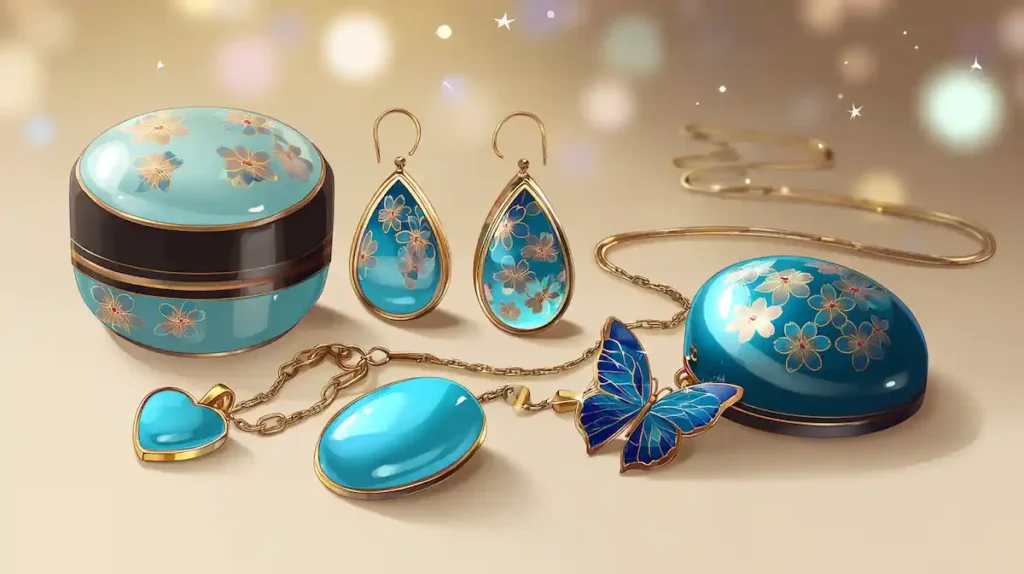
和訳付
会話 / dialogue
Lately, I’ve been really interested in shippo-yaki. I saw some beautiful pieces in a small gallery in Tokyo.
最近、七宝焼にすごく興味があるんだ。東京の小さなギャラリーで、すごくきれいな作品を見たんだよ。
Oh, shippo-yaki? That’s Japanese cloisonné, right? What caught your attention?
ああ、七宝焼?日本のクロワゾネだよね。どんなところに惹かれたの?
The colors were amazing. They looked almost like jewels, not like pottery at all.
色が本当にすごくてさ。陶器というより、宝石みたいに見えたんだ。
That makes sense. Shippo-yaki is made with metal and glass, not clay, so it has a very different feel.
それは納得だね。七宝焼は土じゃなくて、金属とガラスで作られているから、雰囲気が全然違うんだよ。
I didn’t know that at first. I was surprised when I learned it’s usually made on copper.
最初は知らなかったよ。普通は銅の上に作られるって聞いて、びっくりした。
Yes, artisans put glass enamel on metal and fire it at a very high temperature.
そうそう。職人さんが金属の上にガラスの釉薬をのせて、高温で焼くんだ。
So that’s why the surface looks so smooth and shiny.
なるほど、それで表面があんなに滑らかでツヤがあるんだね。
Exactly. The glass melts during firing and creates that glossy finish.
その通り。焼くとガラスが溶けて、あの光沢が生まれるんだ。
Do you know where shippo-yaki comes from originally?
七宝焼って、もともとはどこから来たか知ってる?
The technique came to Japan in the Nara period, but it really developed later, especially in the Meiji period.
技法自体は奈良時代に伝わったけど、本格的に発展したのは後で、特に明治時代だね。
Wasn’t that when Japan started exporting crafts to the West?
それって、日本が西洋に工芸品を輸出し始めた頃だよね?
Yes. Shippo-yaki was shown at world exhibitions and became very popular overseas.
そう。七宝焼は万国博覧会で紹介されて、海外ですごく人気になったんだ。
I can understand why. Even without knowing Japanese culture, the beauty is easy to appreciate.
それは分かる気がする。日本文化を知らなくても、きれいさはすぐ伝わるもんね。
That’s one reason foreign visitors like it so much.
それが、外国人に人気な理由の一つなんだよ。
I also heard there are different techniques, like using metal wires.
金属の線を使う技法もあるって聞いたよ。
Right. That’s called wired shippo. The wires separate the colors and allow very detailed designs.
そう。それは有線七宝って言って、線で色を区切るから、すごく細かい模様ができるんだ。
That sounds incredibly difficult. It must require a lot of skill.
それは相当難しそうだね。かなり技術が必要そう。
It does. Artisans repeat firing and polishing many times to finish one piece.
その通り。ひとつ仕上げるために、焼いたり磨いたりを何度も繰り返すんだ。
So it’s not just beautiful, but also technically impressive.
じゃあ、きれいなだけじゃなくて、技術的にもすごいんだね。
Absolutely. That’s one of the amazing points of shippo-yaki.
まさにそう。それが七宝焼のすごいところの一つだよ。
I’ve noticed many modern accessories made with it, like earrings and brooches.
最近、ピアスとかブローチみたいな現代的なアクセサリーもよく見かけるよ。
Those are very popular now, especially because they’re easy to take home as souvenirs.
あれは今すごく人気だね。お土産として持ち帰りやすいのも理由だよ。
I’m actually thinking of trying a shippo-yaki workshop someday.
実は、いつか七宝焼の体験工房に行ってみたいと思ってるんだ。
That’s a great idea. Many studios offer hands-on experiences for beginners.
それ、いいね。初心者向けの体験をやっている工房も多いよ。
I feel like making one myself would help me understand the craft better.
自分で作ってみたら、この工芸のことがもっと分かりそうな気がする。
Definitely. Shippo-yaki becomes even more attractive when you know the effort behind it.
間違いないね。裏にある手間を知ると、七宝焼はもっと魅力的に感じるよ。
Now I see why it’s still popular today, both in Japan and abroad.
今なら、日本でも海外でも、今も人気がある理由が分かるよ。
Yes, it beautifully combines tradition, craftsmanship, and modern style.
うん。伝統と職人技、そして現代的なデザインが、きれいに合わさっているんだ。
概要(七宝焼とは?宝石のような色彩が魅力の日本の伝統工芸)
七宝焼
What Is Shippo-yaki?
Shippo-yaki is a traditional Japanese craft.It is made by placing glass enamel on metal, usually copper, and firing it at a high temperature.When the glass melts, it creates bright colors and a smooth, shiny surface.Because of this process, shippo-yaki often looks like jewels rather than pottery.The name “shippo” comes from a Buddhist term meaning “seven treasures,” and it expresses the rich and beautiful appearance of this craft.
七宝焼は、日本の伝統工芸です。主に銅などの金属の上にガラス質の釉薬をのせ、高温で焼いて作られます。ガラスが溶けることで、鮮やかな色と滑らかで光沢のある表面が生まれます。そのため、七宝焼は陶器というより宝石のように見えることがあります。「七宝」という名前は、仏教の「七つの宝」に由来し、この工芸の豊かで美しい見た目を表しています。
History and Development
The technique of shippo-yaki came to Japan in the Nara period.However, it was not widely known at that time.Shippo-yaki developed greatly from the late Edo period to the Meiji period.During the Meiji period, Japan began exporting traditional crafts to Western countries.Shippo-yaki was shown at world exhibitions and became popular overseas.
七宝焼の技法は、奈良時代に日本へ伝わりました。しかし、その当時はまだ広く知られていませんでした。七宝焼は、江戸時代後期から明治時代にかけて大きく発展しました。明治時代には、日本は伝統工芸品を西洋へ輸出し始めました。七宝焼は万国博覧会で紹介され、海外で人気を集めました。
Main Features and Techniques
One important feature of shippo-yaki is that it is not pottery.It is made by combining metal and glass instead of clay.This allows artists to create very fine and detailed designs.Some works use thin metal wires to separate colors.This method is called wired shippo and requires a high level of skill.
七宝焼の重要な特徴の一つは、陶磁器ではないという点です。土ではなく、金属とガラスを組み合わせて作られます。そのため、とても細かく繊細な模様を表現することができます。作品によっては、色を区切るために細い金属線が使われます。
この技法は「有線七宝」と呼ばれ、高い技術が必要です。
Appeal and Popularity Today
Shippo-yaki is attractive because of its jewel-like colors and smooth shine.The glass surface does not fade easily, so the beauty lasts for a long time.Today, shippo-yaki is used for art objects as well as accessories such as earrings and brooches.It is popular with both Japanese people and foreign visitors.This is because it combines traditional craftsmanship with modern design.
七宝焼の魅力は、宝石のような色彩と滑らかな光沢にあります。ガラスの表面は色あせしにくく、美しさが長く保たれます。現在では、七宝焼は美術工芸品だけでなく、ピアスやブローチなどのアクセサリーにも使われています。日本人だけでなく、外国人にも人気があります。それは、伝統的な職人技と現代的なデザインがうまく融合しているからです。
10の質問(七宝焼の基本がわかるQ&A)
1: What is shippo-yaki?
七宝焼とは何ですか?
Shippo-yaki is a traditional Japanese craft made by firing glass enamel onto metal, usually copper. It is known for its bright colors and shiny surface.
七宝焼は、主に銅などの金属の上にガラス質の釉薬をのせ、高温で焼いて作られる日本の伝統工芸です。鮮やかな色彩と光沢のある表面で知られています。
2: Why is shippo-yaki not considered pottery?
なぜ七宝焼は陶器ではないのですか?
Shippo-yaki is not pottery because it is made with metal and glass, not clay. This makes it different from ceramic crafts.
七宝焼は土ではなく、金属とガラスを使って作られるため、陶磁器ではありません。この点が陶芸とは異なります。
3: Where does the name “shippo” come from?
「七宝」という名前はどこから来ていますか?
The name “shippo” comes from a Buddhist term meaning “seven treasures,” which refers to its rich and jewel-like beauty.
「七宝」という名前は、仏教で「七つの宝」を意味する言葉に由来し、宝石のような美しさを表しています。
4: When did shippo-yaki come to Japan?
七宝焼はいつ日本に伝わりましたか?
The technique of shippo-yaki came to Japan during the Nara period, but it developed much later.
七宝焼の技法は奈良時代に日本へ伝わりましたが、本格的に発展したのはもっと後の時代です。
5: When did shippo-yaki become popular?
七宝焼はいつ頃人気になりましたか?
Shippo-yaki became popular from the late Edo period to the Meiji period, especially as an export craft.
七宝焼は江戸時代後期から明治時代にかけて、特に輸出工芸として人気を集めました。
6: What materials are mainly used in shippo-yaki?
七宝焼には主にどのような材料が使われますか?
Copper is the most common metal used, and glass enamel is placed on the surface before firing.
最も一般的に使われる金属は銅で、その表面にガラス質の釉薬をのせて焼きます。
7: Why are the colors of shippo-yaki so bright?
なぜ七宝焼の色はそんなに鮮やかなのですか?
The colors are bright because the glass enamel melts at high temperatures and creates a smooth, shiny finish.
高温で焼くことでガラスの釉薬が溶け、滑らかで光沢のある仕上がりになるため、色が鮮やかに見えます。
8: What is wired shippo?
有線七宝とは何ですか?
Wired shippo is a technique that uses thin metal wires to separate colors, allowing very detailed designs.
有線七宝は、細い金属線で色を区切り、非常に細かい模様を表現できる技法です。
9: What kinds of items are made with shippo-yaki today?
現在、七宝焼ではどのようなものが作られていますか?
Today, shippo-yaki is used to make art objects, jewelry, and accessories such as earrings and brooches.
現在では、七宝焼は美術工芸品だけでなく、ピアスやブローチなどのアクセサリーにも使われています。
10: Why is shippo-yaki popular with foreign visitors?
なぜ七宝焼は外国人に人気があるのですか?
Shippo-yaki is popular because its beauty is easy to appreciate, it shows Japanese craftsmanship, and many items are small and easy to take home.
七宝焼は、美しさが直感的に分かりやすく、日本の職人技を感じられ、持ち帰りやすい作品が多いため、外国人に人気があります。
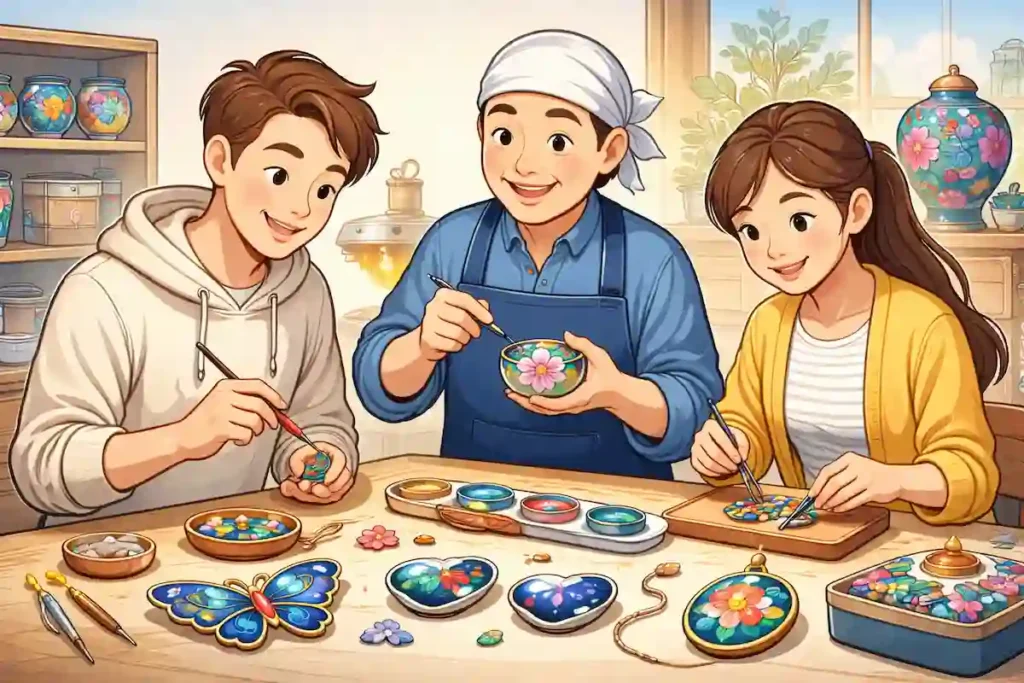
words & phrases
英会話ダイアローグと関連情報に出てきた単語・フレーズです(例文は各3つ)。
cloisonné: 名詞・形容詞 /ˌklwɑː.zəˈneɪ/
意味:七宝焼、または七宝焼の技法。Enamel decoration using metal wires to separate colored areas.
(七宝焼を英語で説明する際の一般的な名称として使用され、日本の伝統工芸である七宝焼を指している)
例文:
•Shippo-yaki is often called Japanese cloisonné.
七宝焼は日本のクロワゾネ(七宝)とよく呼ばれます。
•The museum displays beautiful cloisonné works from the Meiji period.
その博物館では明治時代の美しい七宝作品が展示されています。
•She bought a cloisonné vase as a souvenir.
彼女はお土産に七宝焼の花瓶を買いました。
copper : 名詞 /ˈkɑː.pər/
意味:銅。A reddish-brown metal often used for coins, wires, and crafts.
(七宝焼の土台となる金属素材として使われている)
例文:
•Shippo-yaki is usually made on copper.
七宝焼は通常、銅の上に作られます。
•Copper is easy to shape and heat.
銅は加工しやすく、熱にも強い金属です。
•The artist chose copper for the base of the artwork.
その作家は作品の土台に銅を選びました。
shiny : 形容詞 /ˈʃaɪ.ni/
意味:光沢のある、ピカピカした。Reflecting light and looking bright.
(七宝焼の表面が光を反射して輝いている様子を表す)
例文:
•The surface of shippo-yaki looks shiny.
七宝焼の表面は光沢があります。
•The glass became shiny after firing.
ガラスは焼成後、つややかになりました。
•She admired the shiny colors of the artwork.
彼女はその作品の輝く色彩に見とれました。
glossy : 形容詞 /ˈɡlɑː.si/
意味:つやのある、なめらかに光る。Smooth and shining with a soft reflection.
(七宝焼の仕上がりが、滑らかで上品な光沢を持つことを表している)
例文:
•Shippo-yaki has a glossy finish.
七宝焼はなめらかでつやのある仕上がりです。
•The enamel creates a glossy surface.
釉薬がつやのある表面を作り出します。
•The artist polished the piece until it looked glossy.
作家はつやが出るまで作品を磨きました。
artisan : 名詞 /ˈɑːr.tə.zən/
意味:職人、熟練した手工芸の作り手。A skilled craft worker who makes things by hand.
(七宝焼を作る熟練の職人を指している)
例文:
•An artisan makes shippo-yaki by hand.
職人は七宝焼を手作業で作ります。
•The artisan repeated firing many times.
その職人は何度も焼成を繰り返しました。
•Visitors respect the skill of Japanese artisans.
訪問者は日本の職人の技術を尊敬しています。