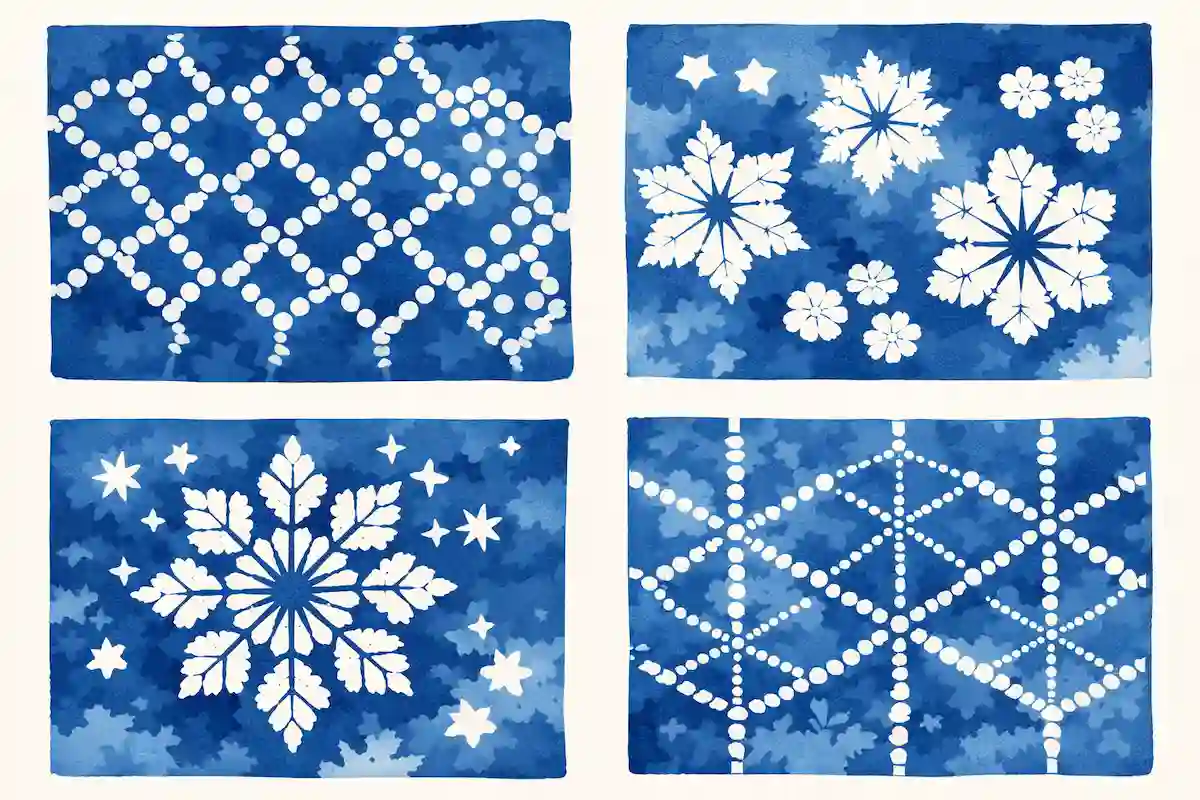
有松絞を英語で説明・紹介するための基本情報と、英会話に役立つ表現をシンプルでわかりやすい英語で紹介します。
英会話ダイアローグ・概要・10の質問を通して、有松絞に関する英語表現を学びます。
英語
英会話ダイアローグを読む前に知っておくと良い前提知識と情報です。
- 有松絞とは
- 名古屋市有松で約400年続く伝統的な絞り染め
- 布を糸でくくってから染めることで模様を作る日本の工芸
- 歴史的背景(東海道と宿場町)
- 有松は江戸時代の東海道沿いの宿場町で、旅人向けの土産物として有松絞が広まった
- 技法の特徴(手作業と多様性)
- 布を縛る・縫うなどの工程はすべて手作業
- 技法は100種類以上、同じ模様は二つとできない
- 模様と色(藍染とにじみ)
- 藍染が多く使われ、染料のにじみによるやわらかなグラデーションと立体感が魅力
- 文化的価値(伝統工芸としての位置づけ)
- 有松・鳴海絞は重要無形文化財・伝統的工芸品に指定
- 日本文化を代表する技として保護されている
2人が有松絞りという名古屋の伝統工芸について話しています。
400年続く歴史や技法、藍染の魅力、現在の人気などを話題にしています。
会話 / dialogue

Lately, I’ve become really interested in Arimatsu Shibori. Have you ever seen it in real life?

Yes, I have. It’s a traditional tie-dye craft from Nagoya with about 400 years of history.
Four hundred years? That’s amazing. So it started in the Edo period, right?
Exactly. It developed along the old Tokaido Road as a popular souvenir for travelers.
I love how each pattern looks different. Is that because everything is handmade?
Yes. The cloth is tied or stitched by hand before dyeing, so no two pieces are ever the same.
I heard there are many techniques. How many are there?
More than 100. Each tying method creates a different pattern, like small dots or snowflake shapes.
That explains the variety. The colors also look very soft and natural.
That’s one of the charms. The dye spreads a little, creating gentle color changes and depth.
Indigo seems to be used a lot. Is there a reason for that?
Indigo shows light and dark shades beautifully, which makes the shibori patterns stand out.
What do you think is the most impressive point about Arimatsu Shibori?
For me, it’s the fact that everything is done by hand and still continues today.
Yes, keeping such skills alive for centuries is really special.
And every piece is one of a kind, which gives it high artistic value.
I also feel a calm, Japanese atmosphere when I look at it.
That comes from the natural shapes and the idea of finding beauty in small differences.
Is Arimatsu Shibori still popular now?
Definitely. It’s used not only for kimono and yukata, but also for scarves and modern fashion.
I’ve even seen shibori designs in overseas brands.
Yes, the eco-friendly, handmade image is attractive to people around the world.

I’d love to visit Arimatsu and try a dyeing workshop someday.

That would be a great experience. You could feel the process with your own hands.
Learning the history while making something myself would help me understand it better.
Exactly. Arimatsu Shibori is not just a pattern, but a living tradition you can actually experience.
概要(有松絞とは:400年続く日本の伝統絞り染めの歴史・特徴・魅力)
「有松絞」について、理解を深めるための「英語での概要」です。
有松絞
What is Arimatsu Shibori
Arimatsu Shibori is a traditional Japanese tie-dye craft from Arimatsu, a town in Nagoya. It has a history of about 400 years and began in the early Edo period. Arimatsu was located on the old Tokaido Road, so many travelers passed through the town. They bought shibori-dyed cloth as souvenirs, and the craft became famous all over Japan. Today, Arimatsu Shibori is known as one of the most important traditional dyeing techniques in the country.
How the Patterns Are Made
The patterns of Arimatsu Shibori are made by tying, stitching, or wrapping cloth with thread before dyeing it. When the cloth is put into dye, the tied parts do not take in color, and beautiful patterns appear after the threads are removed. All of this work is done by hand. There are more than 100 different tying techniques, and each one creates a different design. Because of this process, no two pieces are exactly the same.
Colors and Beauty
Indigo dye is often used for Arimatsu Shibori. The deep blue color and its light and dark shades show the patterns very clearly. The soft color changes and slight blur around the edges give the cloth a gentle and natural look. The fabric also has a three-dimensional texture, which makes it even more attractive.
Value and Popularity Today
Arimatsu Shibori is valued for its long history, high skill, and handmade beauty. It is officially recognized as an important traditional craft of Japan. In the past, it was mainly used for yukata and kimono, but today it is also used for scarves, clothes, and interior items. It is popular not only in Japan but also overseas, where people appreciate its natural design and eco-friendly handmade process.
10の質問(有松絞の基本を理解するためのQ&A)
「有松絞」について、理解を深めるための「英語での10の質問」です。

和訳付
会話 / dialogue
Lately, I’ve become really interested in Arimatsu Shibori. Have you ever seen it in real life?
最近、有松絞にすごく興味が出てきたんだ。実物を見たことある?
Yes, I have. It’s a traditional tie-dye craft from Nagoya with about 400 years of history.
あるよ。名古屋の伝統的な絞り染めで、約400年の歴史があるんだ。
Four hundred years? That’s amazing. So it started in the Edo period, right?
400年も?すごいね。じゃあ、江戸時代に始まったんだよね。
Exactly. It developed along the old Tokaido Road as a popular souvenir for travelers.
その通り。東海道沿いで、旅人のお土産として広まったんだ。
I love how each pattern looks different. Is that because everything is handmade?
一つ一つ模様が違うのがいいよね。全部手作業だから?
Yes. The cloth is tied or stitched by hand before dyeing, so no two pieces are ever the same.
そう。染める前に布を手でくくったり縫ったりするから、同じものは二つとできないんだ。
I heard there are many techniques. How many are there?
技法がたくさんあるって聞いたけど、どれくらいあるの?
More than 100. Each tying method creates a different pattern, like small dots or snowflake shapes.
100種類以上あるよ。くくり方によって、水玉みたいな模様や雪の結晶みたいな模様ができる。
That explains the variety. The colors also look very soft and natural.
だからあんなに種類が豊富なんだね。色合いもすごく柔らかくて自然だよね。
That’s one of the charms. The dye spreads a little, creating gentle color changes and depth.
それが魅力の一つだね。染料が少しにじんで、やさしいグラデーションや立体感が出るんだ。
Indigo seems to be used a lot. Is there a reason for that?
藍染が多いみたいだけど、理由があるの?
Indigo shows light and dark shades beautifully, which makes the shibori patterns stand out.
藍は濃淡がきれいに出るから、絞りの模様がとても映えるんだ。
What do you think is the most impressive point about Arimatsu Shibori?
有松絞の一番すごいところって、どこだと思う?
For me, it’s the fact that everything is done by hand and still continues today.
僕は、全部手作業で、しかも今もその技術が受け継がれているところかな。
Yes, keeping such skills alive for centuries is really special.
本当にね。何百年も技術を守り続けているのは特別だよ。
And every piece is one of a kind, which gives it high artistic value.
それに、すべて一点ものだから、芸術的な価値も高いよね。
I also feel a calm, Japanese atmosphere when I look at it.
見ていると、日本らしい落ち着いた雰囲気を感じるんだ。
That comes from the natural shapes and the idea of finding beauty in small differences.
自然な形や、少しの違いの中に美を見出す感覚から来ているんだと思う。
Is Arimatsu Shibori still popular now?
有松絞って、今でも人気あるの?
Definitely. It’s used not only for kimono and yukata, but also for scarves and modern fashion.
もちろん。着物や浴衣だけじゃなくて、ストールや現代のファッションにも使われているよ。
I’ve even seen shibori designs in overseas brands.
海外ブランドでも絞り模様を見たことがあるよ。
Yes, the eco-friendly, handmade image is attractive to people around the world.
うん。環境にやさしくて手作りというイメージが、世界中の人に魅力的なんだ。
I’d love to visit Arimatsu and try a dyeing workshop someday.
いつか有松に行って、染めの体験をしてみたいな。
That would be a great experience. You could feel the process with your own hands.
それはいいね。実際に手で工程を体験できるよ。
Learning the history while making something myself would help me understand it better.
自分で作りながら歴史も学べたら、もっと理解が深まりそう。
Exactly. Arimatsu Shibori is not just a pattern, but a living tradition you can actually experience.
その通り。有松絞は、ただの模様じゃなくて、実際に体験できる生きた伝統なんだ。
概要(有松絞とは:400年続く日本の伝統絞り染めの歴史・特徴・魅力)
有松絞
What is Arimatsu Shibori
Arimatsu Shibori is a traditional Japanese tie-dye craft from Arimatsu, a town in Nagoya. It has a history of about 400 years and began in the early Edo period. Arimatsu was located on the old Tokaido Road, so many travelers passed through the town. They bought shibori-dyed cloth as souvenirs, and the craft became famous all over Japan. Today, Arimatsu Shibori is known as one of the most important traditional dyeing techniques in the country.
有松絞は、名古屋市有松で生まれた日本の伝統的な絞り染めです。約400年の歴史があり、江戸時代初期に始まりました。有松は旧東海道沿いにあったため、多くの旅人が行き交い、絞り染めの布は土産物として人気を集め、全国に広まりました。現在では、日本を代表する染色技法の一つとして知られています。
How the Patterns Are Made
The patterns of Arimatsu Shibori are made by tying, stitching, or wrapping cloth with thread before dyeing it. When the cloth is put into dye, the tied parts do not take in color, and beautiful patterns appear after the threads are removed. All of this work is done by hand. There are more than 100 different tying techniques, and each one creates a different design. Because of this process, no two pieces are exactly the same.
有松絞の模様は、染める前に布を糸でくくったり縫ったり巻いたりして作られます。染料に浸すと、くくった部分は染まらず、糸を外すことで模様が現れます。すべて手作業で行われ、くくり方の技法は100種類以上あります。そのため、同じものは二つとできません。
Colors and Beauty
Indigo dye is often used for Arimatsu Shibori. The deep blue color and its light and dark shades show the patterns very clearly. The soft color changes and slight blur around the edges give the cloth a gentle and natural look. The fabric also has a three-dimensional texture, which makes it even more attractive.
有松絞には藍染がよく使われます。濃淡のある深い青色が模様をはっきりと浮かび上がらせます。色のにじみややわらかなグラデーションが、布に自然で優しい表情を与え、立体感のある質感も大きな魅力です。
Value and Popularity Today
Arimatsu Shibori is valued for its long history, high skill, and handmade beauty. It is officially recognized as an important traditional craft of Japan. In the past, it was mainly used for yukata and kimono, but today it is also used for scarves, clothes, and interior items. It is popular not only in Japan but also overseas, where people appreciate its natural design and eco-friendly handmade process.
有松絞は、長い歴史と高度な技術、そして手仕事の美しさが高く評価されています。日本の重要な伝統工芸として正式に認められています。昔は浴衣や着物が中心でしたが、現在ではストールや洋服、インテリアにも使われています。自然なデザインと環境にやさしい手作りの工程が、海外でも人気を集めています。
10の質問(有松絞の基本を理解するためのQ&A)
1: What is Arimatsu Shibori?
有松絞とは何ですか?
Arimatsu Shibori is a traditional Japanese tie-dye craft that started in Arimatsu, Nagoya, about 400 years ago.
有松絞は、約400年前に名古屋の有松で始まった日本の伝統的な絞り染めです。
2: When did Arimatsu Shibori begin?
有松絞はいつ始まりましたか?
It began in the early Edo period, when Arimatsu was a post town on the old Tokaido Road.
江戸時代初期、旧東海道の宿場町だった有松で始まりました。
3: How are the patterns made?
模様はどのように作られますか?
The cloth is tied, stitched, or wrapped with thread before dyeing, so the tied parts do not take in color and patterns appear.
布を染める前に糸でくくったり縫ったりして、防染することで模様が現れます。
4: Is Arimatsu Shibori made by hand?
有松絞は手作業で作られていますか?
Yes, all the processes are done by hand, which makes each piece unique.
はい、すべて手作業で行われるため、すべてが一点ものになります。
5: How many techniques are there?
技法はいくつありますか?
There are more than 100 different tying techniques, and each one creates a different pattern.
くくり方の技法は100種類以上あり、それぞれ異なる模様を生み出します。
6: What kind of dye is often used?
どんな染料がよく使われますか?
Indigo dye is often used because its deep and light colors show the patterns clearly.
藍染がよく使われ、濃淡がはっきりと模様を浮かび上がらせます。
7: Why is every piece different?
なぜ一つ一つ違うのですか?
Because the tying and dyeing are done by hand, it is impossible to make exactly the same pattern twice.
手作業でくくって染めるため、まったく同じ模様を再現することはできません。
8: What were Arimatsu Shibori products used for in the past?
昔は何に使われていましたか?
They were mainly used for yukata, kimono, and towels, and were sold as souvenirs to travelers.
主に浴衣や着物、手ぬぐいなどに使われ、旅人の土産物として売られていました。
9: How is Arimatsu Shibori used today?
現在はどのように使われていますか?
Today, it is also used for scarves, clothes, and interior items, not only for traditional wear.
現在では、着物だけでなく、ストールや洋服、インテリアにも使われています。
10: Why is Arimatsu Shibori popular now?
なぜ今も人気があるのですか?
People like its natural beauty, handmade quality, long history, and eco-friendly production.
自然な美しさ、手仕事の温かみ、長い歴史、環境にやさしい点が評価されているからです。

words & phrases
英会話ダイアローグと関連情報に出てきた単語・フレーズです(例文は各3つ)。
tie-dye : 名詞/動詞 /ˈtaɪ daɪ/
意味: 布を縛ってから染め、模様を作る染色法。名詞「絞り染め」、動詞「絞り染めにする」
A method of dyeing fabric by tying parts of it so that patterns are created.
例文:
•Arimatsu Shibori is a traditional tie-dye craft.
「有松絞は伝統的な絞り染め工芸です。」
•She learned how to tie-dye a scarf.
「彼女はスカーフを絞り染めする方法を学びました。」
•This T-shirt has a beautiful tie-dye pattern.
「このTシャツにはきれいな絞り模様があります。」
stitch : 動詞/名詞 /stɪtʃ/
意味: 縫う、縫い目。To sew with a needle and thread.
(布を縫って防染する「縫い絞り」の工程を表す)
例文:
•The artisan stitched the cloth before dyeing it.
「職人は染める前に布を縫いました。」
•She learned how to stitch by hand.
「彼女は手縫いの仕方を学びました。」
•There is a small stitch on the edge of the fabric.
「布の端に小さな縫い目があります。」
dye : 動詞/名詞 /daɪ/
意味: 染める、染料。To color cloth using liquid color.
(布を藍などで染める工程を表す)
例文:
•They dyed the fabric with indigo.
「彼らは布を藍で染めました。」
•Natural dye is often used in traditional crafts.
「伝統工芸では天然染料がよく使われます。」
•The cloth was dyed a deep blue color.
「布は濃い青色に染められました。」
snowflake : 名詞 /ˈsnəʊ.fleɪk/
意味: 雪の結晶。A small piece of snow with a beautiful shape.
(雪花絞りのような雪の結晶に似た模様を表す)
例文:
•Each snowflake has a different shape.
「雪の結晶は一つ一つ形が違います。」
•This pattern looks like a snowflake.
「この模様は雪の結晶のように見えます。」
•The design is inspired by snowflakes.
「そのデザインは雪の結晶から着想を得ています。」
indigo : 名詞/形容詞 /ˈɪn.dɪ.ɡəʊ/
意味: 藍、藍色。A deep blue color and the dye made from plants.
(有松絞で多く使われる藍染の色や染料を指す)
例文:
•Indigo is often used in shibori dyeing.
「絞り染めでは藍がよく使われます。」
•The cloth has a deep indigo color.
「その布は深い藍色をしています。」
•They produce natural indigo from plants.
「彼らは植物から天然の藍を作っています。」