日本の春を英語で説明・紹介するための基本情報と、英会話に役立つ表現をシンプルでわかりやすい英語で紹介します。
英会話ダイアローグ・概要・10の質問を通して、日本の春に関する英語表現を学びます。
英語
英会話ダイアローグを読む前に知っておくと良い前提知識と情報です。
- 日本の春の時期
- 3月から5月ごろで、寒い冬が終わり、気温が穏やかになる
- 観光に最も人気のある季節の一つ
- 桜と花見の文化
- 桜の開花は春の象徴で、3月下旬から4月上旬に見頃を迎える
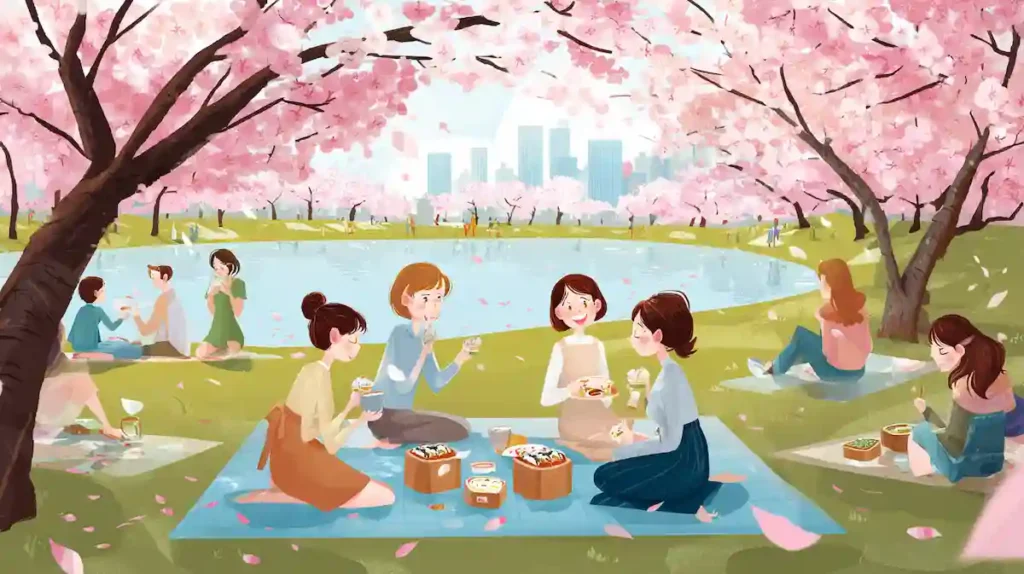
- 花見は桜の木の下で飲食を楽しむ伝統行事で、家族や友人、会社の同僚と集まる
- 上野公園や川沿い、城跡などが人気スポット
- 桜前線は桜の開花が南から北へ進む様子を表し、ニュースでも報道されルール
- 4月の新年度制度
- 日本では学校年度と会社の年度が4月に始まる
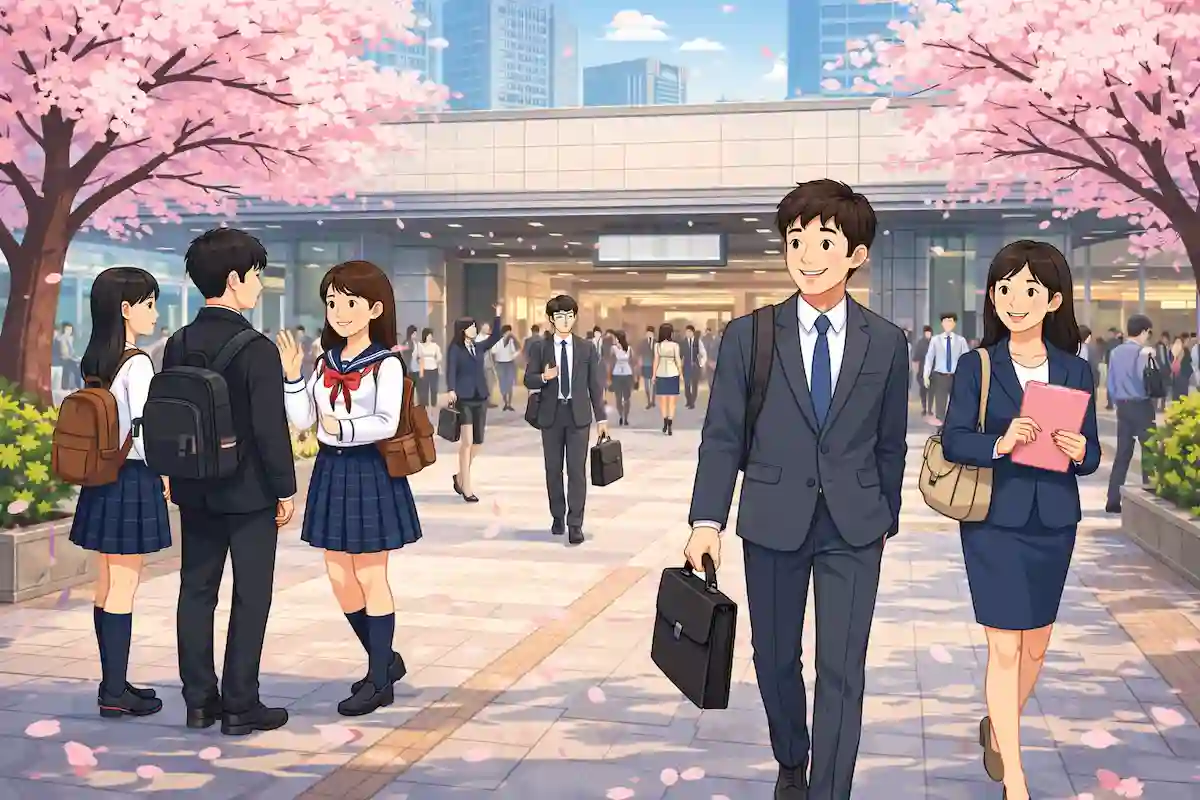
- 4月は入学式や入社式のシーズンで、新しい生活がスタートする時期
- 同時に3月は卒業や転勤の季節でもあり、「出会いと別れ」が交錯する感慨深い時期
- 春の行事と食文化
- 3月3日は、ひな祭りという女の子の成長を祝う行事がある
- 4月末から5月初旬は「ゴールデンウィーク」という大型連休で、旅行客が増えるる
- 春の食材には、タケノコ、山菜、桜味のお菓子などがあり、季節を感じる食文化が根付いてる
- 無常観という日本の美意識
- 桜の美しさは短命で、散りゆく姿が日本人の心を打つ
- これは無常観という、永遠に続くものはないという仏教的な考え方に通じている
- 美しいものほど儚いという感覚が、日本文化や芸術に深く影響している
2人が日本の春について話しています。
桜や花見、新年度の始まり、出会いと別れ、行事や季節の食べ物などを話題にしています。
会話 / dialogue

Lately, I’ve been really interested in spring in Japan. It feels like the whole atmosphere of the city changes.

I agree. Spring, especially from March to May, is when Tokyo becomes bright and full of energy.
The first thing that comes to my mind is cherry blossoms. They seem to be the symbol of the season.
Yes, sakura are the heart of Japanese spring. People wait for the cherry blossom forecast and follow the blooming from south to north.
That “cherry blossom front” is amazing. It’s like the whole country shares the same moment.
Exactly. And during that time, people enjoy hanami, having picnics under the trees with friends and family.
I’ve done hanami in Ueno Park, but I’d love to try it near a river or a castle.
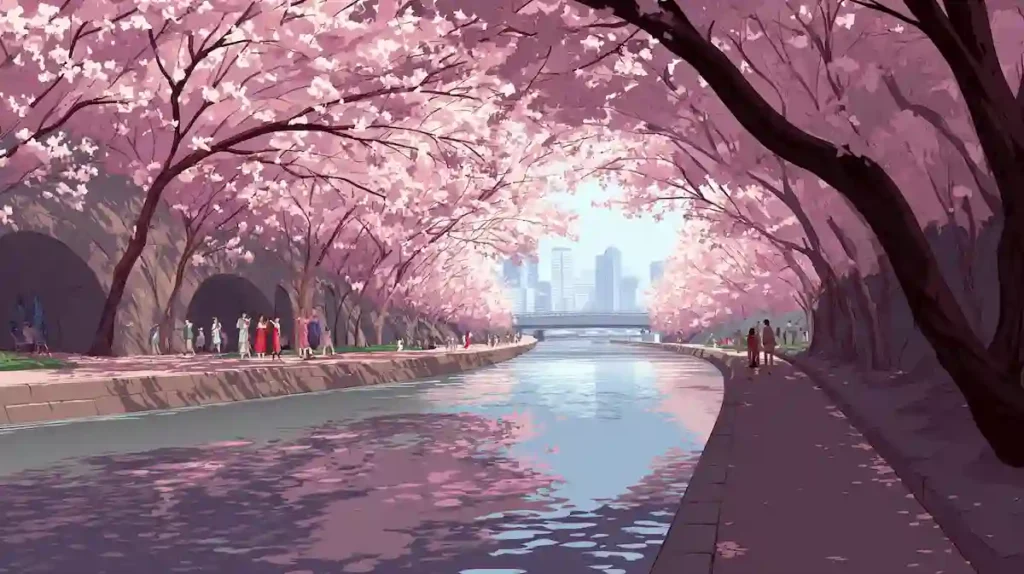
Those places are beautiful, especially when the petals fall and cover the water like pink snow.
The weather also feels perfect—neither too cold nor too hot.
That’s why spring is one of the best seasons for sightseeing in Japan.
Another thing I notice is that April feels like a fresh start.
That’s because the school year and business year both begin in April. Many people start new jobs or enter university.
So spring is a season of new beginnings.
Yes, but also of farewells, because students graduate and people move for work.
That explains why cherry blossoms often appear in graduation scenes in movies.
Their beauty and short life match the feeling of hope mixed with a little sadness.
I find that emotional side of spring very Japanese.
It is connected to the idea of impermanence, which is important in Japanese culture.
What about spring events? Are there many?
Yes. In March there is Hinamatsuri, and from late April to early May we have Golden Week, a long holiday.
Golden Week is great for travel, but also very crowded.
True, but it shows how active people become in spring.

I’m also curious about seasonal food.

You should try bamboo shoots, wild vegetables, and sakura-flavored sweets. They really make you feel the season.
Nature, food, events, and new beginnings—all at the same time.
That’s why spring in Japan is so special: it is beautiful, emotional, and full of fresh starts.
概要(日本の春:桜が彩る季節の特徴と魅力)
「日本の春」について、理解を深めるための「英語での概要」です。
日本の春
Season and Weather
Spring in Japan lasts from March to May. The cold winter ends, and the weather becomes warm and comfortable. The temperature is usually between 10 and 20 degrees, so it is a good season for walking and traveling. Many people feel relaxed and happy because the days become longer and brighter.
Cherry Blossoms and Hanami
The symbol of Japanese spring is cherry blossoms, called sakura. They bloom from south to north, and people follow the “cherry blossom front.” Many enjoy hanami, which means watching the flowers in parks, along rivers, or near temples and castles. Families and friends have picnics under the trees and take photos of the beautiful pink flowers.
New Beginnings in April
April is the start of the school year and business year in Japan. Students enter new schools, and many adults start new jobs. Because of this, spring is a season of new beginnings. At the same time, it is also a season of farewells, as people graduate or move to new places.
Events and Food
There are many events in spring. In March, people celebrate Hinamatsuri, the Doll Festival. From late April to early May, there is Golden Week, a long holiday. Spring is also a time to enjoy seasonal food, such as bamboo shoots, wild vegetables, and sakura-flavored sweets.
Cultural Meaning of Spring
In Japan, spring is more than just a season. It represents hope, change, and the beauty of short moments. Cherry blossoms bloom beautifully but fall quickly, which reminds people that life is precious and always changing. This feeling is an important part of Japanese culture and makes spring a very special time of the year.
10の質問(日本の春の基本がわかるQ&A)
「日本の春」について、理解を深めるための「英語での10の質問」です。
和訳付
会話 / dialogue
Lately, I’ve been really interested in spring in Japan. It feels like the whole atmosphere of the city changes.
最近、日本の春にすごく興味があるんだ。街全体の雰囲気がガラッと変わる感じがするよね。
I agree. Spring, especially from March to May, is when Tokyo becomes bright and full of energy.
わかる。特に3月から5月にかけては、東京が一気に明るくなって、活気が出てくるよね。
The first thing that comes to my mind is cherry blossoms. They seem to be the symbol of the season.
まず思い浮かぶのは桜だな。やっぱり春の象徴って感じがする。
Yes, sakura are the heart of Japanese spring. People wait for the cherry blossom forecast and follow the blooming from south to north.
うん、桜は日本の春の中心だよね。開花予想をチェックして、南から北へ咲いていくのをみんなで追いかけるんだ。
That “cherry blossom front” is amazing. It’s like the whole country shares the same moment.
その「桜前線」ってすごいよね。国中が同じ瞬間を共有しているみたいだ。
Exactly. And during that time, people enjoy hanami, having picnics under the trees with friends and family.
そうそう。その時期に、友だちや家族と桜の下でお弁当を食べる花見を楽しむんだ。
I’ve done hanami in Ueno Park, but I’d love to try it near a river or a castle.
上野公園で花見はしたことあるけど、川沿いやお城のそばでもやってみたいな。
Those places are beautiful, especially when the petals fall and cover the water like pink snow.
ああ、ああいう場所は本当にきれいだよ。花びらが散って、水面がピンクの雪みたいになると特にね。
The weather also feels perfect—neither too cold nor too hot.
それに、寒すぎず暑すぎず、気候もちょうどいいよね。
That’s why spring is one of the best seasons for sightseeing in Japan.
だから春は、日本観光に一番いい季節の一つなんだよ。
Another thing I notice is that April feels like a fresh start.
それと、4月って何か新しいスタートって感じがする。
That’s because the school year and business year both begin in April. Many people start new jobs or enter university.
それは、学校も会社も4月始まりだからだね。就職したり、大学に入ったりする人が多いから。
So spring is a season of new beginnings.
つまり、春は新しい始まりの季節なんだね。
Yes, but also of farewells, because students graduate and people move for work.
そうだね。でも卒業や転勤もあるから、別れの季節でもあるよ。
That explains why cherry blossoms often appear in graduation scenes in movies.
だから映画の卒業シーンに、よく桜が出てくるんだね。
Their beauty and short life match the feeling of hope mixed with a little sadness.
あの美しさとすぐ散ってしまう短さが、希望と少しの寂しさが混ざった気持ちにぴったり合うんだ。
I find that emotional side of spring very Japanese.
その感情的なところが、すごく日本らしいと思うよ。
It is connected to the idea of impermanence, which is important in Japanese culture.
それは「無常」という、日本文化で大切にされている考え方とつながっているんだ。
What about spring events? Are there many?
春の行事って、たくさんあるの?
Yes. In March there is Hinamatsuri, and from late April to early May we have Golden Week, a long holiday.
あるよ。3月にはひな祭りがあるし、4月末から5月初めにはゴールデンウィークという長い連休もある。
Golden Week is great for travel, but also very crowded.
ゴールデンウィークは旅行にいいけど、すごく混むよね。
True, but it shows how active people become in spring.
確かに。でもそれだけ春になると、みんな活動的になるってことだね。
I’m also curious about seasonal food.
旬の食べ物にも興味があるんだ。
You should try bamboo shoots, wild vegetables, and sakura-flavored sweets. They really make you feel the season.
たけのこや山菜、桜味のお菓子をぜひ食べてみて。季節をすごく感じられるよ。
Nature, food, events, and new beginnings—all at the same time.
自然も、食べ物も、行事も、新しいスタートも、全部同時に来るんだね。
That’s why spring in Japan is so special: it is beautiful, emotional, and full of fresh starts.
だからこそ、日本の春は特別なんだよ。美しくて、感情豊かで、新しい始まりに満ちているんだ。
概要(日本の春:桜が彩る季節の特徴と魅力)
日本の春
Season and Weather
Spring in Japan lasts from March to May. The cold winter ends, and the weather becomes warm and comfortable. The temperature is usually between 10 and 20 degrees, so it is a good season for walking and traveling. Many people feel relaxed and happy because the days become longer and brighter.
日本の春は3月から5月まで続きます。寒い冬が終わり、気候は暖かく過ごしやすくなります。気温はだいたい10度から20度くらいで、散歩や旅行にとても良い季節です。日が長く明るくなるので、多くの人がリラックスした気分になります。
Cherry Blossoms and Hanami
The symbol of Japanese spring is cherry blossoms, called sakura. They bloom from south to north, and people follow the “cherry blossom front.” Many enjoy hanami, which means watching the flowers in parks, along rivers, or near temples and castles. Families and friends have picnics under the trees and take photos of the beautiful pink flowers.
日本の春の象徴は桜です。桜は南から北へと咲き進み、「桜前線」として親しまれています。人々は公園や川沿い、寺や城の周りで花見を楽しみ、家族や友人と桜の下で食事をしたり、写真を撮ったりします。
New Beginnings in April
April is the start of the school year and business year in Japan. Students enter new schools, and many adults start new jobs. Because of this, spring is a season of new beginnings. At the same time, it is also a season of farewells, as people graduate or move to new places.
日本では4月が学校や会社の新年度の始まりです。学生は入学し、多くの社会人が新しい仕事を始めます。そのため春は「新しいスタートの季節」と言われます。同時に、卒業や転勤などによる別れの季節でもあります。
Events and Food
There are many events in spring. In March, people celebrate Hinamatsuri, the Doll Festival. From late April to early May, there is Golden Week, a long holiday. Spring is also a time to enjoy seasonal food, such as bamboo shoots, wild vegetables, and sakura-flavored sweets.
春には多くの行事があります。3月にはひな祭りがあり、4月末から5月初めにはゴールデンウィークという大型連休があります。また、たけのこや山菜、桜味のお菓子など、春ならではの旬の食べ物も楽しめます。
Cultural Meaning of Spring
In Japan, spring is more than just a season. It represents hope, change, and the beauty of short moments. Cherry blossoms bloom beautifully but fall quickly, which reminds people that life is precious and always changing. This feeling is an important part of Japanese culture and makes spring a very special time of the year.
日本において春は、ただの季節以上の意味を持ちます。希望や変化、そして短い美しさを象徴しています。桜は美しく咲いてすぐに散るため、人生のはかなさや尊さを感じさせます。この感覚は日本文化の大切な一部であり、春を特別な季節にしています。
10の質問(日本の春の基本がわかるQ&A)
1: When is spring in Japan?
日本の春はいつですか?
Spring in Japan is from March to May, when the weather becomes warm and comfortable after winter.
日本の春は3月から5月で、冬が終わって暖かく過ごしやすくなります。
2: What flower is the symbol of Japanese spring?
日本の春の象徴の花は何ですか?
Cherry blossoms, called sakura, are the symbol of spring in Japan.
桜と呼ばれる花が、日本の春の象徴です。
3: What is hanami?
花見とは何ですか?
Hanami is the custom of enjoying cherry blossoms by walking, having picnics, and spending time under the trees.
花見とは、桜を眺めながら散歩したり、木の下で食事をしたりして楽しむ習慣です。
4: What is the cherry blossom front?
桜前線とは何ですか?
It is the movement of cherry blossoms blooming from south to north across Japan.
日本列島で桜が南から北へ咲いていく様子のことです。
5: Why is April important in Japan?
なぜ4月は日本で重要なのですか?
April is the start of the school year and business year, so many people begin new lives then.
4月は学校や会社の年度の始まりで、多くの人が新しい生活を始めます。
6: Why is spring a season of both beginnings and farewells?
なぜ春は始まりと別れの季節なのですか?
People start school or work, but they also graduate and move to new places.
入学や就職がある一方で、卒業や転勤で別れもあるからです。
7: What are some spring events in Japan?
日本の春の行事にはどんなものがありますか?
Hinamatsuri in March and Golden Week from late April to early May are important spring events.
3月のひな祭りや、4月末から5月初めのゴールデンウィークが代表的です。
8: What kind of weather does Japan have in spring?
日本の春の天気はどのような感じですか?
The weather is mild, with temperatures around 10 to 20 degrees, and it is good for travel.
気温は10度から20度くらいで穏やかで、旅行に適しています。
9: What foods are popular in spring in Japan?
日本の春にはどんな食べ物が人気ですか?
Bamboo shoots, wild vegetables, and sakura-flavored sweets are popular spring foods.
たけのこや山菜、桜味のお菓子などが春の人気の食べ物です。
10: Why are cherry blossoms important in Japanese culture?
なぜ桜は日本文化で重要なのですか?
They are beautiful but short-lived, so they remind people that life is precious and always changing.
桜は美しいけれど短命で、人生の尊さや移ろいを感じさせるからです。
words & phrases
英会話ダイアローグと関連情報に出てきた単語・フレーズです(例文は各3つ)。
come to my mind : 熟語(動詞句) /kʌm tuː maɪ maɪnd/
意味: 思い浮かぶ。To appear in one’s thoughts suddenly.
(日本の春と聞いて、最初に桜が頭に浮かぶことを表す)
例文:
•Cherry blossoms always come to my mind when I think of spring in Japan.
「日本の春を考えると、いつも桜が思い浮かびます。」
•Her smile suddenly came to my mind.
「彼女の笑顔がふと頭に浮かびました。」
•A good idea came to my mind during the meeting.
「会議中に良いアイデアが思い浮かびました。」
blooming : 動詞(現在分詞) /ˈbluː.mɪŋ/
意味: 咲いていること。Flowering; opening beautifully.
(桜が南から北へ咲いていく様子を表す)
例文:
•The cherry trees are blooming along the river.
「川沿いの桜が咲いています。」
•Flowers start blooming in early spring.
「花は春先に咲き始めます。」
•The garden is full of blooming roses.
「庭は咲き誇るバラでいっぱいです。」
petal : 名詞 /ˈpet.əl/
意味: 花びら。One of the soft colored parts of a flower.
(桜の花びらが水面に落ちる情景を表す)
例文:
•Cherry blossom petals fell like pink snow.
「桜の花びらがピンクの雪のように舞いました。」
•A single petal floated on the water.
「一枚の花びらが水に浮かんでいました。」
•The wind blew the petals away.
「風が花びらを吹き飛ばしました。」
farewell : 名詞 /ˌfeərˈwel/
意味: 別れ、別れのあいさつ。A goodbye when people part.
(卒業や転勤による別れの季節としての春を表す)
例文:
•They said farewell at the station.
「彼らは駅で別れを告げました。」
•Spring is a season of meetings and farewells.
「春は出会いと別れの季節です。」
•We had a small party as a farewell.
「送別会を開きました。」
impermanence : 名詞 /ɪmˈpɜː.mə.nəns/
意味: はかなさ、無常。The state of not lasting forever.
(桜がすぐ散ることから感じる日本的な無常観を表す)
例文:
•Cherry blossoms remind us of the impermanence of life.
「桜は人生のはかなさを思い出させます。」
•Buddhism teaches the idea of impermanence.
「仏教は無常の考えを教えます。」
•He felt the impermanence of youth while watching the flowers fall.
「花が散るのを見て、若さのはかなさを感じました。」